Easy Read
Information that uses clear and simple language with pictures
Information that uses clear and simple language with pictures
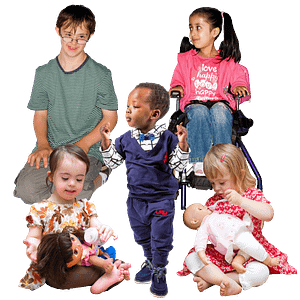
It is a resource for everyone — children, young people, adults and people with learning disabilities.
It uses clear words and pictures to make information easier to understand. You’ll find guides on lesser-known topics that aren’t often explained clearly elsewhere.
It is online and in PDF format. We also have links to external Easy Read resources that you may find useful below.
Our collection will keep growing as we add more information.
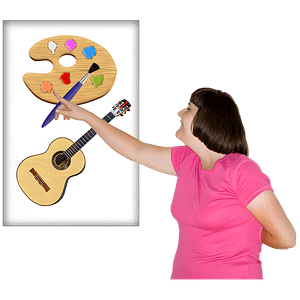
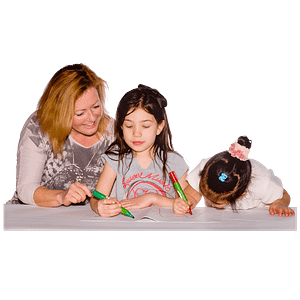
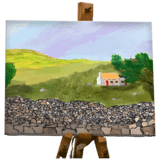
When a child is very good at some things, like maths or art, and also has a disability or difference
The Easy Read Library was created by Growing Different. Each guide is designed using clear language, simple layouts, and photo symbols to support understanding. We develop it with the families that will use it.
The symbols used are from Photosymbols and are included under licence.
If you reuse, copy or share our Easy Read materials, please note the following:
• Individual images must not be extracted, copied or downloaded from the materials
• The Photosymbols member badge must not be removed or covered
• The materials must be used in line with our licence terms
We follow the Easy Read Standard 2026, developed by Photosymbols.
© Growing Different 2026
Reference
Photosymbols Ltd (2026) The Easy Read Standard: An Evidence-Based Framework for Accessible Information. Version 1.0. January 2026. Developed by Photosymbols Ltd

A link is not an endorsement. We are not responsible for the content of external links.
Families told us that they wanted formats like Easy Read, pictures, symbols, picture books or videos to share with their children (Growing Different Parent Survey 2024).
Over 1 in 2
said that Easy Read resources would be most useful for their children about additional areas – (184 responses out of 324, 57%)
1 in 2
said that social stories would be most useful about additional areas (183 responses out of 324, 56%)
Growing Different Parent Survey 2024 – notes and limitations
394 families of neurodivergent children took part in our online survey. Most children were autistic (about 8 in 10). People chose to take part, so the figures show their experiences, not all children. We did not compare them with any other group, so they can’t show how common something is or what causes it. Some questions had more responses than others.
Please credit ‘Growing Different Parent Survey 2024‘ and read more in our survey insights page
We welcome your views
If you have feedback on this information, please contact us.
Information created: May 2026 I Next review: May 2029
This site gives general information, not medical advice. We share information and resources, but we can’t offer individual or one-to-one support. Always check with a professional before making decisions about your child.
Disclaimer
The content on this website is provided for general information only. It should not be construed as medical advice, and it is not intended to amount to advice on which you should rely. Before making any decisions based on the content of this website you are strongly advised to obtain professional or specialist advice.
Although we make reasonable efforts to update the information on our website, we make no representations, warranties or guarantees, whether express or implied, that the content on our website is accurate, complete or up-to-date, and we are not liable or responsible for any decision taken as a result. Please note that using automated summariser or translation tools may affect the accuracy of the information presented here.
Supported by
This project has been made possible with funding from the National Lottery Community Fund and the CPCA (Cambridgeshire and Peterborough Combined Authority), delivered through Allia Impact Ltd.