Reading before talking?

Hyperlexia

Reading and recognising letters can bring comfort, structure, and joy. For some families, early reading is part of how their child explores and connects with the world. It can happen before a child understands what they read — and sometimes before they can talk.

The joy of letters

Reading

A child may recognise and read words. They may like to read anything around them.

Natural learning

Children may learn to read on their own, without being taught.

Understanding

Understanding language can develop at a different pace; some children need support with this.

Is it a diagnosis?

Hyperlexia is not a condition or a diagnosis. Some professionals now recognise it as a trait.

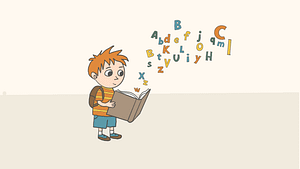
Illustration of boy as letters spill out of a book.

Early reading

Children often read letters and words before age 3.

Illustration of boy lining up alphabet cards.

Link with autism

Studies have found that some autistic children read early.

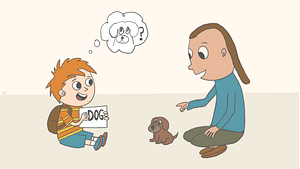
Illustration of boy learning the word for DOG with his mum through letters with a puppy sat between them.

Helping language

Some children who read early also have language difficulties. Reading can help them to learn.

Illustration of boy lining up alphabet and shapes and 1, 2, 3 beside him in the air.

Order and patterns

Some hyperlexic children can count and order numbers and letters.

Parent survey on hyperlexia

Our survey results

In our parent survey (2024), out of 394 families of children with neurodevelopmental differences, 99 parents reported that their children read before the age of 3. These are the responses to additional questions from those 99 parents.

1 in 4 parents

said their child read before they were 3 (99 responses out of 394)

4 out of 5 of those children

who read early did not understand all that they read

9 out of 10 children

who read early were also autistic

2 in 3 children

who read early could also count to 10 before age 3, and showed other pattern skills such as recognising shapes

Growing Different Parent Survey 2024 – notes and limitations

394 families of neurodivergent children took part in our online survey. Most children were autistic (about 8 in 10). People chose to take part, so the figures show their experiences, not all children. We did not compare them with any other group, so they can’t show how common something is or what causes it. Some questions had more responses than others.

Please credit ‘Growing Different Parent Survey 2024‘ and read more in our survey insights page

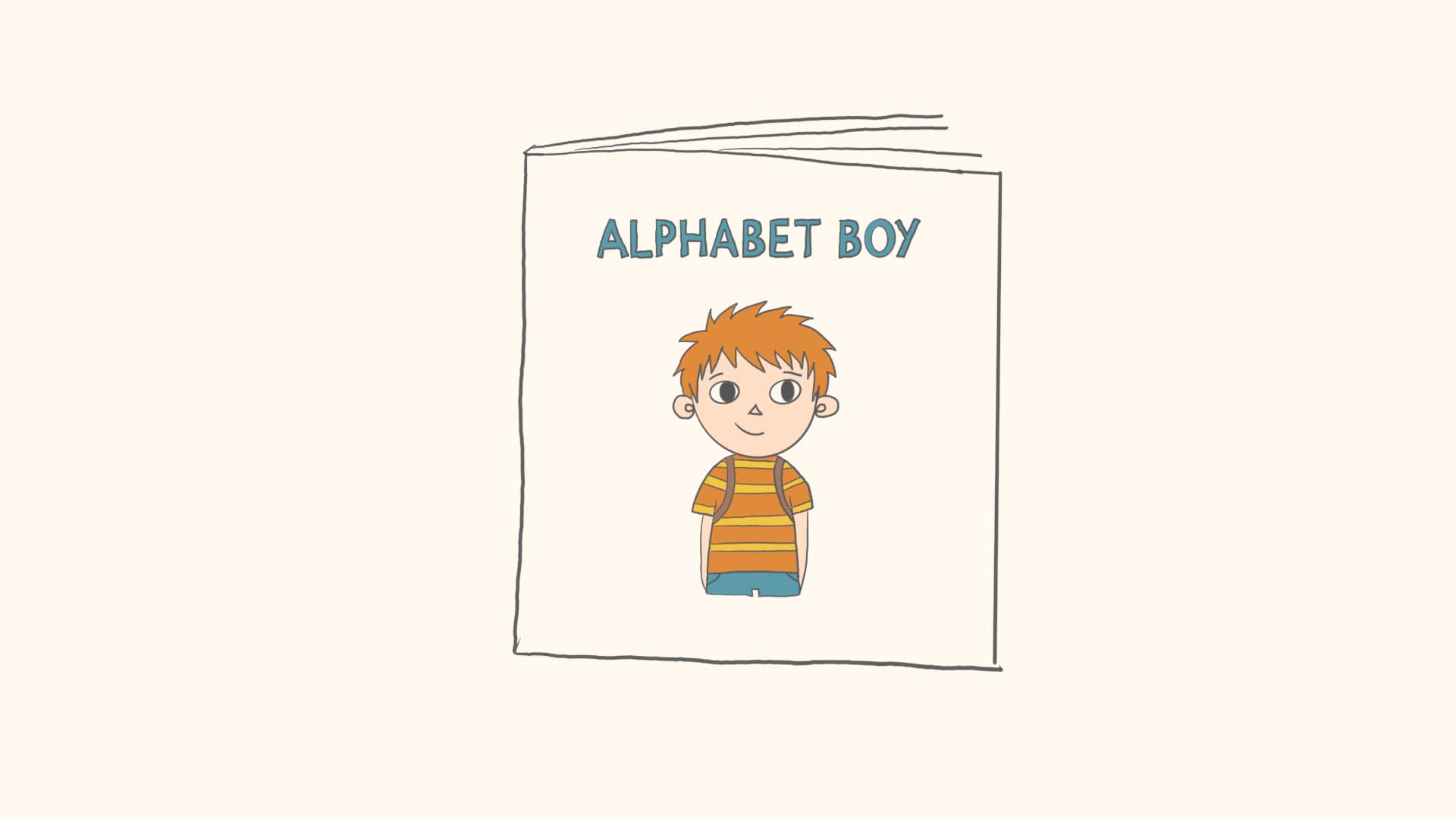
Illustration of Alphabet Boy book with a boy on the cover.

Out soon - Picture Book

A children's picture book about hyperlexia

Our picture book Alphabet Boy is written and illustrated by Jamie, a boy who is hyperlexic. It is from his lived experience. A gentle, illustrated story of loving letters before words — for the child, their siblings, and the grown-ups around them.

Easy Read hyperlexia

Simple clear resources

Read our information in Easy Read format. Simply written with pictures to aid understanding. Made using Photosymbols under licence.

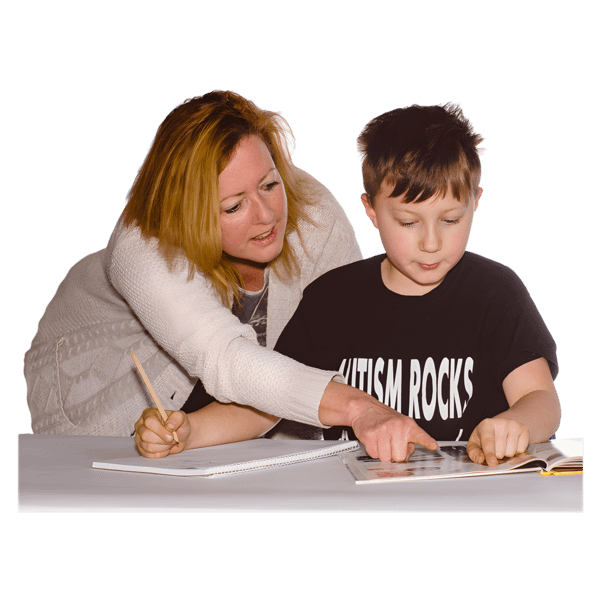
Teacher or parent helping child with work

External links and support

These are links about communication and language support. A link is not an endorsement. We are not responsible for the content of external links. 

References

Macdonald, D., Luk, G. & Quintin, EM. Early Reading Comprehension Intervention for Preschoolers with Autism Spectrum Disorder and Hyperlexia. J Autism Dev Disord 52, 1652–1672 (2022). https://doi.org/10.1007/s10803-021-05057-x

Ostrolenk, A., Forgeot d’Arc, B., Jelenic, P., Samson, F., & Mottron, L. (2017). Hyperlexia: Systematic review, neurocognitive modelling, and outcome. Neuroscience & Biobehavioral Reviews, 79, 134–149. https://doi.org/10.1016/j.neubiorev.2017.04.029

Zhang, Shuai; Joshi, R. Malatesha (February 2019). “Profile of hyperlexia: Reconciling conflicts through a systematic review and meta-analysis”. Journal of Neurolinguistics. 49: 1–28. doi:10.1016/j.jneuroling.2018.08.001.

Illustration of a girl with brown braided hair and a flower on t-shirt.

Children that have exceptional abilities in an area such as maths or drawing, and also developmental differences.

Illustration of a girl with brown bob hair and teal top.

Children who like maths from an early age.

Illustration of a girl with brown hair and a blue and yellow flower on her blue t-shirt.

Some children have significant differences in how they experience the world, such as noise, pain, or interoception.

Illustration of a girl with black hair and an orange flower on her yellow t-shirt.

Many children have a unique profile, beyond one diagnosis.

Alphabet blocks

We welcome your views

If you have feedback on this information, please contact us.

Information created: April 2026      I      Next review: April 2029

Join our community panel

A few minutes of your time can help shape the resources families use

A note on our information

This site gives general information, not medical advice. We share information and resources, but we can’t offer individual or one-to-one support. Always check with a professional before making decisions about your child.

Disclaimer

The content on this website is provided for general information only. It should not be construed as medical advice, and it is not intended to amount to advice on which you should rely. Before making any decisions based on the content of this website you are strongly advised to obtain professional or specialist advice.

Although we make reasonable efforts to update the information on our website, we make no representations, warranties or guarantees, whether express or implied, that the content on our website is accurate, complete or up-to-date, and we are not liable or responsible for any decision taken as a result. Please note that using automated summariser or translation tools may affect the accuracy of the information presented here.

The PIF Tick for trusted health information

We’re proud to hold the PIF Tick, the UK-wide quality mark for trusted, accessible health information. It is a sign of our commitment to clarity, inclusion, and evidence-based resources. Find out more about the PIF Tick here.

Supported by

This project has been made possible with funding from the National Lottery Community Fund and the CPCA (Cambridgeshire and Peterborough Combined Authority), delivered through Allia Impact Ltd.

Cambridgeshire and Peterborough Combined Authority Logo
community fund logo
PIF tick logo