Picture Books
Picture books co-created with families
Picture books co-created with families
At Growing Different, we believe stories are a powerful way for children to share their inner worlds — especially when words alone aren’t enough. We ran an online survey for parents to ask them how their child interacts with picture books, and the results are below.
We also co-create picture books on different areas of the experience of neurodevelopmental difference. Our first books are ‘Alphabet Boy’ and ‘Number World’. Read more below.

Number World explores ideas beyond early counting, including odd and even numbers, primes, geometry, probability and zero. It is not intended to teach maths, but to encourage curiosity and give children who love numbers something that reflects and celebrates their interests.
Early feedback has been encouraging. It is for children who love finding details, and thinking about numbers. It might suit a hypernumerate child, or anyone interested in the patterns of the world around us.
Copies available soon free for parent groups and schools in the Cambridgeshire area. Please contact us to get your free copy.
You can also take our 5 minute survey to tell us your views about the book.
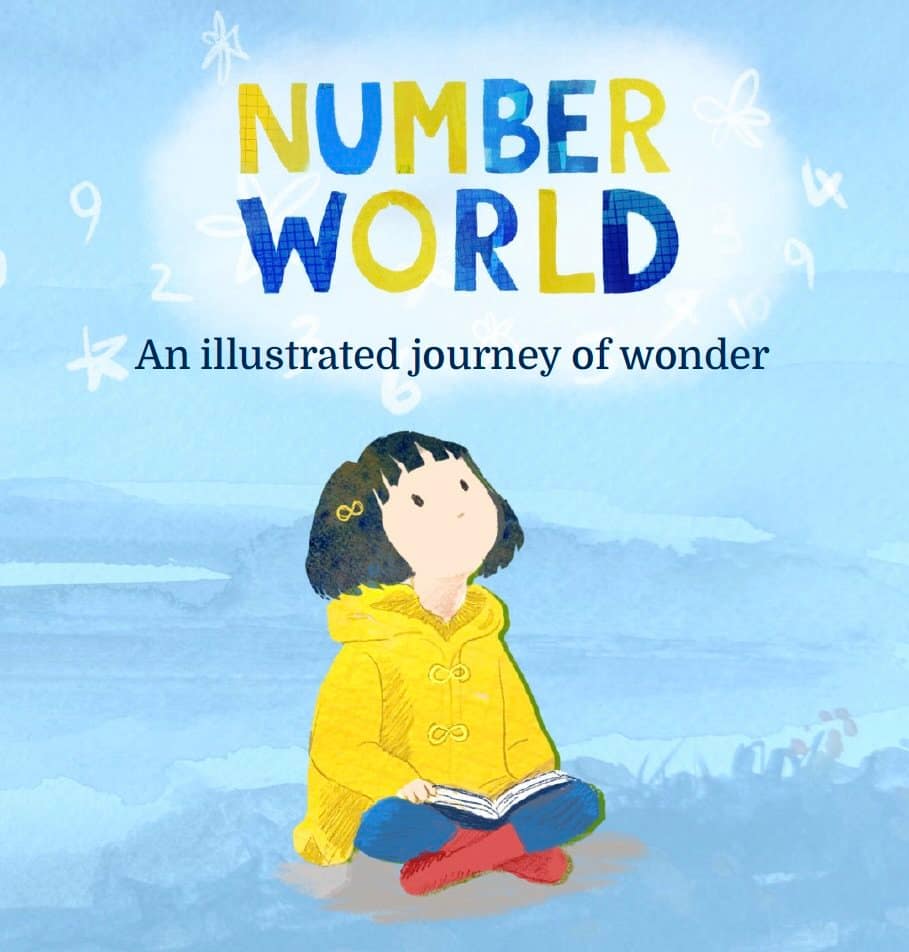


A free illustrated PDF picture book exploring numbers, patterns, shapes and mathematical ideas through Octavia and her curious cat.
Free printable activity PDF to help children explore the numbers, patterns and ideas in Number World. It has pages for different ages and abilities.


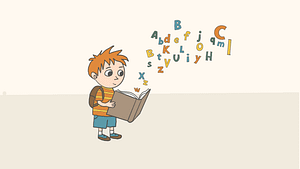
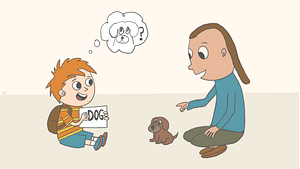
Our picture book is now in its final stages. It has been co-created and illustrated by an autistic boy, Jamie, who shaped the story from the very beginning. It’s a warm, hopeful story about hyperlexia. It is about the experience of liking letters and patterns.
Alphabet Boy will be available to download free of charge from this page when it launches. Contact us to be notified when the book is ready, or join our community panel to stay up to date.
Most parents in our survey said that their children liked picture books, with almost half choosing “a great deal.”
Reading for pleasure was more varied. Some children liked reading on their own, while others liked reading with parents.
Parent Survey 2024
We ran a national survey asking parents how their children with neurodevelopmental differences interacted with picture books. 394 families took part, sharing what helps their children connect, learn and feel understood. In our survey, most (8 in 10) parents reported having an autistic child.
These insights directly inspired our first picture book — a story co-created with an autistic boy about hyperlexia and the joy of language.
7 out of 10 parents said that neurodivergent children are not well represented in picture books, while only a small number agreed that they are.
wanted picture books showing both the struggles and positive aspects of their child
families said they wanted stories that help with emotional regulation and understanding feelings
232 out of 325 parents disagreed or strongly disagreed that children with neurodevelopmental differences were represented well in children’s books.
Many neurodivergent adults remembered enjoying books, but some didn’t find stories they related to. Their voices show how important inclusive storytelling is for every child.
1 in 3
123 out of 326 families said their child liked reading a great deal or a lot
1 in 4
88 families said their child did not like reading at all
Growing Different Parent Survey 2024 – notes and limitations
394 families of neurodivergent children took part in our online survey. Most children were autistic (about 8 in 10). People chose to take part, so the figures show their experiences, not all children. We did not compare them with any other group, so they can’t show how common something is or what causes it. Some questions had more responses than others.
Please credit ‘Growing Different Parent Survey 2024‘ and read more in our survey insights page

We welcome your views
If you have feedback on this information, please contact us.
Information created: June 2026 I Next review: June 2029
This site gives general information, not medical advice. We share information and resources, but we can’t offer individual or one-to-one support. Always check with a professional before making decisions about your child.
Disclaimer
The content on this website is provided for general information only. It should not be construed as medical advice, and it is not intended to amount to advice on which you should rely. Before making any decisions based on the content of this website you are strongly advised to obtain professional or specialist advice.
Although we make reasonable efforts to update the information on our website, we make no representations, warranties or guarantees, whether express or implied, that the content on our website is accurate, complete or up-to-date, and we are not liable or responsible for any decision taken as a result. Please note that using automated summariser or translation tools may affect the accuracy of the information presented here.
Supported by
This project has been made possible with funding from the National Lottery Community Fund and the CPCA (Cambridgeshire and Peterborough Combined Authority), delivered through Allia Impact Ltd.